May 13, 2026
A lot of the AI conversation right now is about speed.
How much faster people can write, code, summarize, respond, and move work along.
Then we get to “human in the loop.” It sounds responsible, and on paper it is reassuring.
But who is that human? Do they understand the context? Do they know enough to catch when a polished-sounding answer from AI is completely wrong? If AI is influencing a lending decision, do they understand the implications well enough to challenge it and explain it?
That is why “human in the loop” does not automatically reassure me.
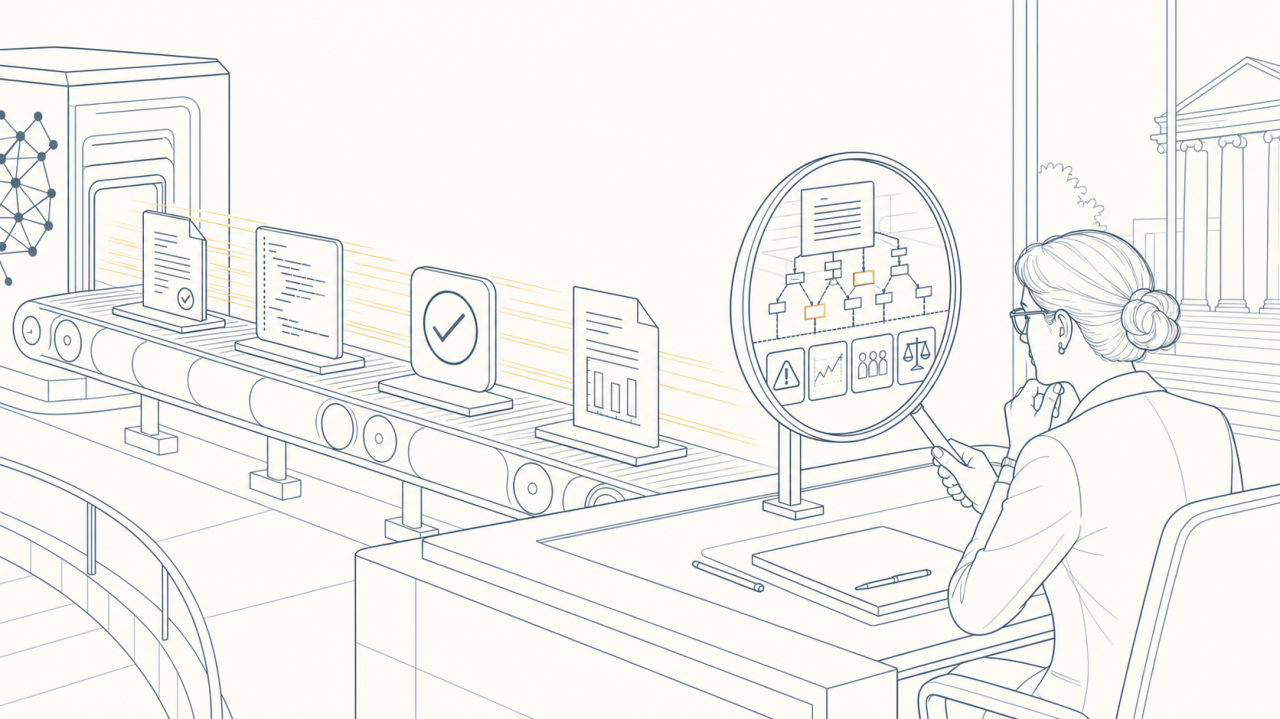
A person clicking approve is not the same thing as meaningful oversight. If they do not understand the logic, the edge cases, the data quality issues, or the downstream impact, they are not really governing the output. They are just standing near it.
That distinction matters in software, but it is much bigger than software. A non-technical employee can use AI to generate code. A frontline employee can use AI to draft a member communication. A lending team can use AI to summarize an application file. A risk team can use AI to prioritize alerts. In each case, the tool may produce something plausible very quickly. The real issue is whether the person reviewing it knows enough to catch what is missing, misleading, or just wrong.
That is one reason I do not think “human in the loop” is a sufficient control by itself. The real control is informed human judgment.
Faster code creation does not reduce the need for review, testing, security, or deployment discipline. It raises the stakes.
Credit unions have their own version of this. In lending, the question is whether the reviewer understands underwriting, fairness, exceptions, and explainability well enough to push back. That matters because institutions still have to explain adverse decisions with specific reasons, even when AI is part of the process.
In fraud, the question is whether the analyst understands patterns, false positives, and member impact well enough to step in. In member communications, it is whether staff can tell the difference between something that sounds good and something that is actually reliable.
That is why I think expertise matters more now, not less. Once AI can produce drafts, summaries, recommendations, and code in seconds, the human job shifts. Less starting from scratch. More validating, handling exceptions, applying context, and owning the outcome.
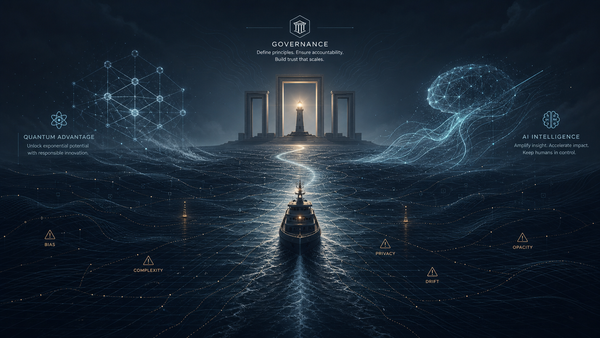
That is a role question, but it is also a governance question. Organizations need to be clear about where AI can suggest, where it can act, and where experienced people still need to make the call.
I think a lot of institutions are moving faster on the production side than the review side. They are making it easier to generate output than to challenge it.
For a member-facing institution, that gap matters. Members do not experience a bad AI-assisted outcome as a workflow problem. They experience it as your institution getting something important wrong.
So when we say we want a human in the loop, the better question is whether the right people are in the right places, with enough context, time, and authority to do more than rubber-stamp what the machine produced.